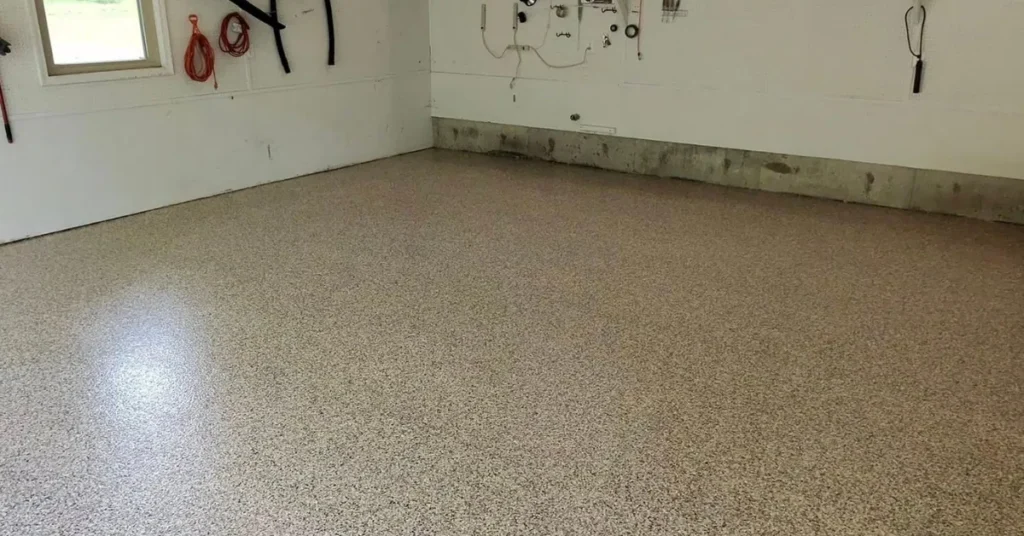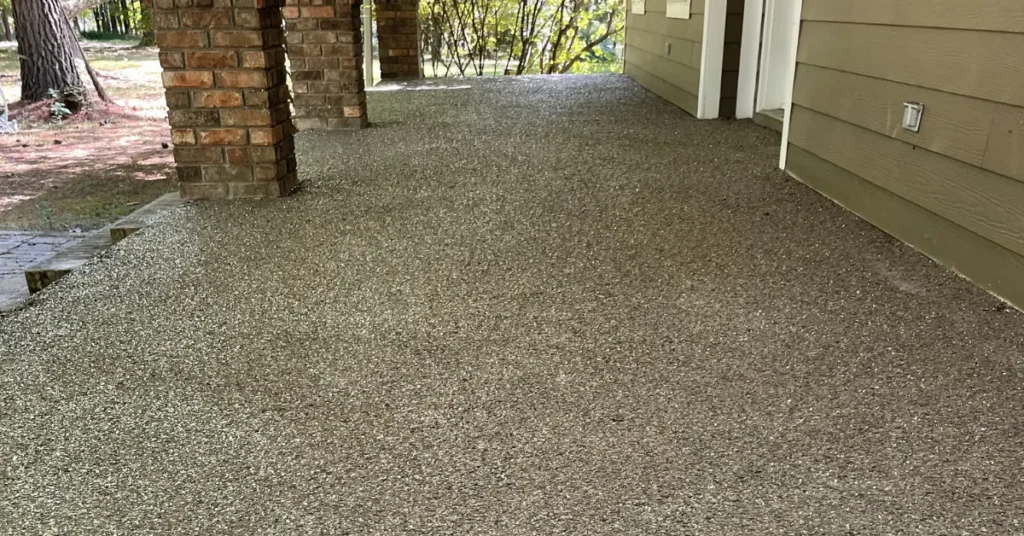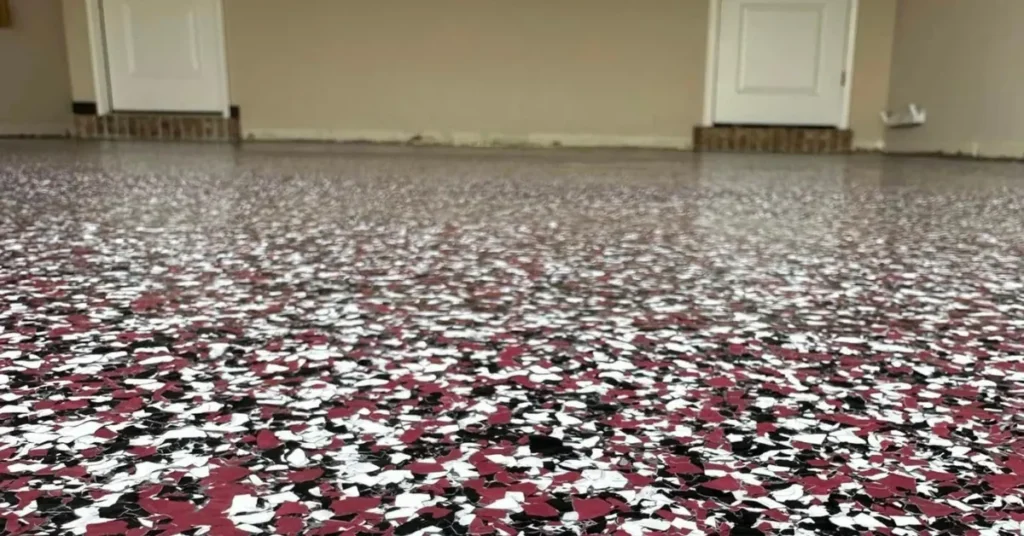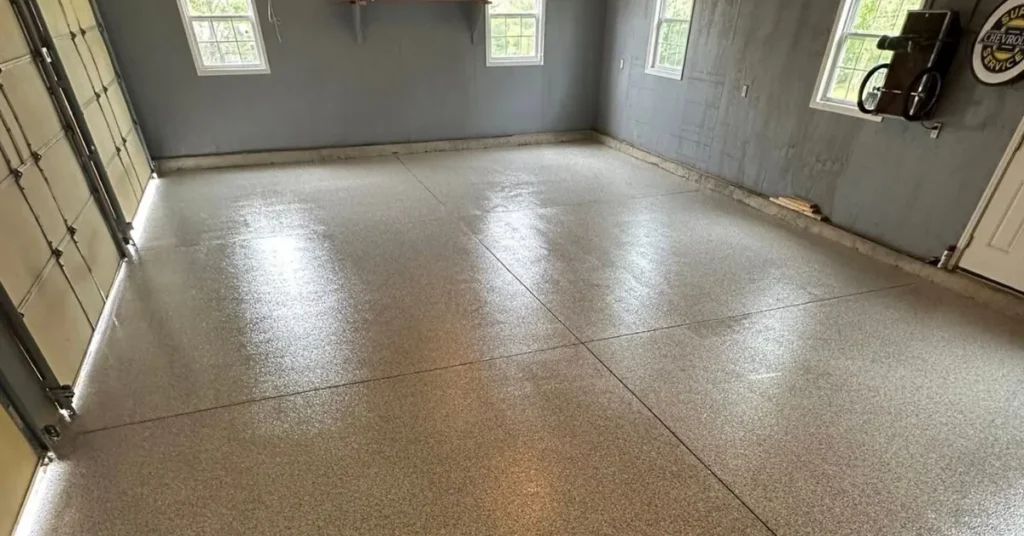
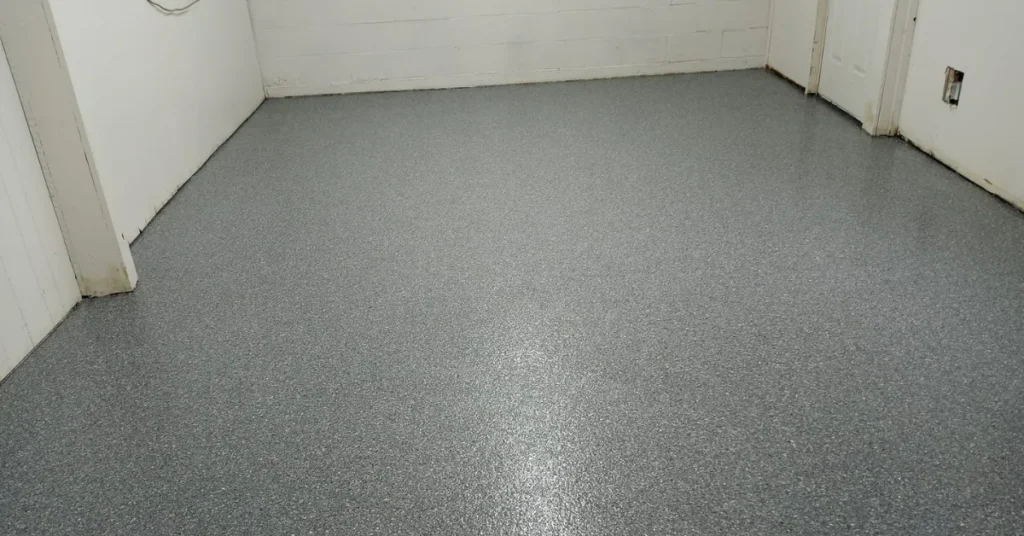
You’ve probably seen it in a neighbor’s garage or a local shop. That clean, glossy, chip-resistant floor that looks like it belongs in a showroom. That’s epoxy flooring, and it’s one of the most practical upgrades a homeowner can make.
Epoxy flooring has been a staple in commercial and industrial spaces for decades. Now it’s making its way into homes across Cape Girardeau, Missouri, and the surrounding area, and for good reason. It’s durable, good-looking, and built to last.
But what actually is epoxy flooring? And is it right for your home? This guide breaks down everything you need to know.
What Is Epoxy Flooring, Exactly?
Epoxy flooring is a coating system applied directly to concrete. It consists of two components: a resin and a hardener. When these two are mixed together, a chemical reaction occurs that creates an incredibly hard, plastic-like surface that bonds tightly to the concrete beneath it.
This is different from paint. Paint sits on top of the concrete and peels over time. Epoxy penetrates into the pores of the concrete and locks itself in. The result is a surface that is far more durable and long-lasting than anything you could achieve with standard floor paint.
In a professional installation, epoxy is typically used as a base coat. It is then topped with a polyaspartic top coat that provides UV stability, scratch resistance, and the finished look you see. Together, these two layers create a complete coating system that protects the concrete and transforms how the space looks and feels.
How Does Epoxy Flooring Work?
The process starts with surface preparation. Before any coating goes down, the concrete has to be properly profiled. This is done with commercial-grade diamond grinders that open up the surface so the epoxy can bond deeply. This step is critical. A floor that is not properly prepared will not hold the coating long-term.
Once the surface is ready, the epoxy base coat is applied. While the epoxy is still wet, decorative vinyl flakes are broadcast across the surface. These flakes give the floor its color, texture, and character. Once the epoxy cures, the excess flakes are scraped away and a polyaspartic top coat is applied to seal everything in.
The result is a floor that is smooth, uniform, and extremely tough. Most professional installations using modern products are completed in a single day, with the floor ready for light foot traffic within 24 hours and vehicles within 72 hours.
What Are the Different Types of Epoxy Flooring?
Flake Systems
Flake systems are the most popular choice for residential and commercial applications. After the base coat is applied, decorative vinyl chips are broadcast across the surface. The chips embed into the coating, and once the base coat cures, the excess is scraped off. A polyaspartic top coat seals the floor.
Flake systems offer a huge range of color options. You can match the floor to your home’s exterior, your car, or any design theme you have in mind. They are extremely durable, handle heavy foot traffic and vehicle weight well, and are easy to clean.
Metallic Systems
Metallic systems use metallic pigments mixed into the base coat to create flowing, marbled, or three-dimensional visual effects. No two metallic floors look exactly the same. They are a high-end, decorative option for spaces where aesthetics are the priority.
Metallic floors are more decorative than flake systems but are generally not recommended for high-traffic areas where heavy wear is expected. They work beautifully in basements, home gyms, salons, and commercial spaces where the floor is meant to be a statement piece.
Solid Color Systems
Solid color systems apply the base coat in a single chosen color with no flake or metallic pigment. A clear polyaspartic top coat finishes the floor. This is the cleanest, most minimal option and tends to be the most cost-effective. It works well in utility spaces, commercial floors, and anywhere a uniform appearance is preferred.
Where Can Epoxy Flooring Be Installed?
Most people think of epoxy as a garage floor product, but it is far more versatile than that. Epoxy and polyaspartic coating systems can be installed on virtually any concrete surface.
Common applications include:
- Garage floors
- Basement floors
- Patios and outdoor entertaining areas
- Pool decks
- Driveways
- Workshops and utility spaces
- Commercial showrooms and retail floors
- Warehouses and industrial spaces
These are commercial-grade products originally designed for demanding industrial environments. When installed in a home, you are getting the same level of durability and protection in your living spaces.
Why Epoxy and Not Just Paint?
Floor paint is cheap and easy to apply. But it does not last. Most floor paints will peel, chip, and crack within a few years, especially under vehicle traffic or heavy use. You end up spending money every few years repainting a floor that keeps failing.
Epoxy is a different product entirely. It is thicker, chemically bonds to the concrete, and once properly installed, it does not peel or chip under normal conditions. The polyaspartic top coat adds scratch resistance and UV protection that no floor paint can match.
The upfront cost is higher than paint. But the long-term value is not even close. A professionally installed epoxy and polyaspartic floor will look great and perform well for many years without the constant maintenance that painted floors demand.
Is Epoxy Flooring Good for Missouri Homes?
Cape Girardeau and the broader Missouri region see real seasonal swings. Winters bring freezing temperatures, and summers bring heat and humidity. These conditions are tough on concrete and on flooring systems that are not designed for them.
A professionally installed epoxy and polyaspartic system handles these conditions well. For indoor spaces like garages and basements, the epoxy base coat provides a strong, moisture-resistant bond to the concrete. The polyaspartic top coat holds up against temperature changes without cracking or peeling.
For outdoor surfaces like patios and pool decks where direct sunlight is a factor, a polyaspartic base coat is used instead of epoxy. Epoxy will amber and discolor under UV exposure over time. Polyaspartic is UV stable, which means it holds its color and appearance outdoors.
Knowing which system is right for each surface is part of what separates a professional installation from a guesswork job. The environment determines the system.
Why Professional Installation Matters
The product alone does not make a great floor. The installation does.
Epoxy is a product with a working window. Once mixed and applied, the crew has to work efficiently and precisely before the product begins to cure. A crew that is slow, understaffed, or inexperienced can end up with an uneven, compromised floor. Flake has to be broadcast into the base coat while it is still wet. If the base coat starts to cure before the flake is fully applied, some areas will not accept the flake properly.
A professional installation means every inch of the floor looks uniform. No visible roller marks. No variation in flake coverage. No seams where sections were applied separately. The finished floor should look like one continuous, seamless surface from wall to wall.
Surface prep is equally critical. A floor that is not properly ground will not hold the coating long-term. Professional installers use commercial-grade diamond grinders and test the hardness of the concrete before beginning so they know exactly how to approach the prep.
How Much Does Epoxy Flooring Cost?
In the Cape Girardeau market, professionally installed epoxy and polyaspartic flooring starts at around $6.50 per square foot. The final price depends on the size of the area, the complexity of the job, and the system type chosen.
Here is a general estimate based on common garage sizes:
| Garage Size | Approx. Sq Ft | Estimated Cost |
| 1-Car Garage | 240-280 sq ft | $1,560 – $1,820 |
| 2-Car Garage | 400-500 sq ft | $2,600 – $3,250 |
| 3-Car Garage | 600-800 sq ft | $3,900 – $5,200 |
These are starting estimates. The best way to get an accurate number is to schedule a free quote and have the space measured.
FAQ’s
How long does epoxy flooring last?
A professionally installed epoxy and polyaspartic floor can last for many years when properly maintained. The combination of quality products, proper surface prep, and experienced installation is what drives longevity. Floors installed by professional crews using commercial-grade products regularly hold up for 10 years or more.
Can epoxy flooring be installed in one day?
Yes. Most professional flake installations using modern epoxy base coats and polyaspartic top coats are completed in a single visit. With modern products and experienced crews, one-day systems are fully viable and produce floors that hold up just as well as two-day systems.
Does epoxy flooring work outdoors?
For outdoor surfaces with direct sunlight exposure, polyaspartic is used as both the base coat and the top coat. Epoxy will amber and discolor under UV exposure over time. Polyaspartic is UV stable, which makes it the right choice for patios, pool decks, and driveways.
How do I maintain an epoxy floor?
Epoxy and polyaspartic floors are easy to maintain. Sweep or rinse off light dirt with water. For oil, grease, or mud, use Simple Green, Pine-Sol, Dawn, or a similar cleaner. Let tough stains soak for about 10 minutes before wiping or squeegeeing. Avoid battery acids and highly corrosive chemicals.
Is epoxy flooring safe for homes?
Once cured, epoxy and polyaspartic floors are completely safe for residential use. During installation, the area should be well ventilated. After curing, there are no ongoing fumes or emissions. The surface is non-porous, easy to clean, and resistant to bacteria growth.
Ready to transform your floors? Call Cutting Edge Epoxy today for a FREE quote. Serving Cape Girardeau and surrounding communities.