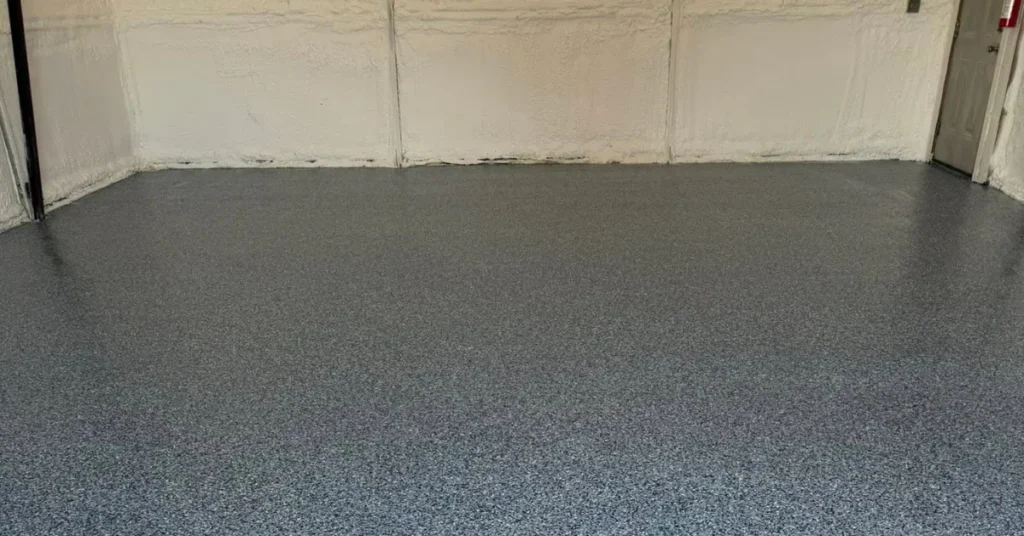
This is one of the most practical questions homeowners ask before an epoxy installation: how long before I can actually use the floor again?
The answer depends on the specific products used and the installation conditions. This guide covers the standard cure timelines for professional epoxy and polyaspartic systems, what happens during the curing process, and what to avoid during that window.
Standard Cure Timelines for Epoxy and Polyaspartic Systems
| System Type | Light Foot Traffic | Vehicle Parking |
| Polyaspartic top coat (professional system) | 24 hours | 72 hours |
| Epoxy-only system | 24 hours | 72 hours |
| Polyaspartic base + Polyaspartic top | 4 to 6 hours | 12 to 24 hours |
For the professional epoxy and polyaspartic system installed by Cutting Edge Epoxy, the standard recommendation is 24 hours before light foot traffic and 72 hours before parking vehicles or moving heavy items back in.
Your installer will confirm exact timelines on installation day based on the products used and the conditions in your garage.
What Is Happening During the Cure Period?
Curing is not the same as drying. The coating undergoes a chemical reaction after it is applied. During this process, the coating achieves its full hardness, bond strength, and durability.
During the cure window, the coating is vulnerable. Walking on it too early can leave marks or disturb the surface. Parking a vehicle on it before it is fully cured can cause the coating to deform under the concentrated weight and heat of the tires.
Allowing the full cure time protects your investment. A floor that looks great on day one should look great for years, and giving it time to properly cure is part of making sure that happens.
Does Temperature Affect Cure Time?
Yes. Temperature and humidity both affect how quickly the coating cures. Warmer temperatures generally speed up curing. Colder temperatures slow it down.
For installations in Cape Girardeau during cooler months, the curing process may take slightly longer. Your installer will take weather conditions into account and may advise extending the wait time for foot traffic or vehicle parking if conditions are cold or humid.
What About the Garage Door?
After installation, the garage door should remain open for at least 6 hours. This allows for proper airflow and oxygen exposure, which supports the curing process.
Do not close the garage and lock it up tight immediately after the crew leaves. Adequate ventilation during the early hours of curing is part of getting the best result from the installation.
What to Avoid During the Cure Period
- No foot traffic for 24 hours after top coat application
- No vehicles for 72 hours after top coat application
- No area rugs or mats placed on the floor during the cure period
- No moving heavy items back in before 72 hours
- No standing water or liquids left on the surface during curing
- Keep the garage door open for at least 6 hours after completion
What If I Need to Use the Garage Before the Cure Period Is Up?
If you genuinely need to walk through the garage before 24 hours, use the outer edges near the walls and step carefully. Do not drag anything across the surface. Avoid standing in one spot for extended periods.
Vehicle parking before 72 hours is not recommended and can cause permanent marks or surface deformation. If the timing is critical, discuss it with your installer ahead of time so they can factor it into the scheduling.
FAQ’s
Can I park my car overnight after installation?
No. The standard recommendation is 72 hours before parking a vehicle on an epoxy and polyaspartic floor. Parking too early can damage the surface and is not covered under most installation warranties.
What if it is cold outside during curing?
Cold temperatures slow down the curing process. Your installer will advise on adjusted timelines if conditions are unusually cold. In some cases, this may mean extending the recommended wait times.
Will walking on the floor leave footprints?
If foot traffic occurs before the floor is properly cured, it can leave impressions in the surface. This is why waiting the full 24 hours before walking on the floor is the recommendation.
How do I know the floor is fully cured?
The floor should feel hard and dry to the touch after the recommended cure period. If it still feels soft or tacky, it is not fully cured. Contact your installer if the floor does not seem to be curing as expected.
Questions about your upcoming installation? Contact Cutting Edge Epoxy for expert answers and a FREE quote.